
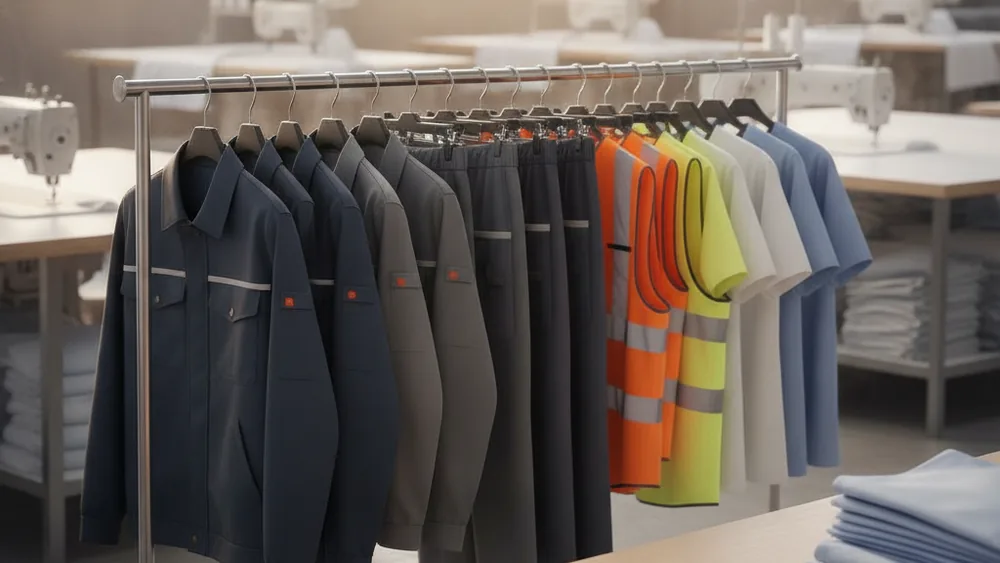
When purchasing work clothing, price is one of the first issues a business considers. However, a low initial cost does not always mean a lower final expense. If the clothing quickly loses its shape, gets damaged or often needs replacing, the money spent on it over a year may turn out to be greater than in the case of a relatively expensive but durable alternative.
Therefore, when assessing the economic value of workwear, comparing only the purchase price is not enough. It is necessary to consider how long it is used, how often it needs replacing, in what conditions it is washed and whether it keeps its original properties under everyday load.
One practical indicator is the cost per use. However, the Total Cost of Ownership gives a business an even fuller picture. With this approach, along with the initial price, the expense over the entire period of the product’s use is counted, including replacement, care, repair and the costs associated with producing a new batch.
In the case of work clothing, one more factor is added to this. An employee often wears the uniform throughout the day. That is why the fabric and pattern should not be chosen by durability alone. The working environment, freedom of movement, temperature, care conditions and the details needed for a specific function also matter.
The expense that is not included in the initial price
The real result of saving on work clothing often shows up later.
The first is the replacement cost. If a product quickly loses its shape or gets damaged as a result of frequent use and washing, the company has to buy new ones at shorter intervals.
The second issue is compliance with safety norms. Here it is important to distinguish between an ordinary corporate uniform and protective-purpose workwear. An ordinary uniform is not PPE unless it is used to protect the employee’s health and safety. And in jobs where the risk assessment requires the use of personal protective equipment, the employer must provide the employee with the appropriate protective equipment.
The third factor is the economic effect of safety measures. In an international study by the International Social Security Association, the average Return on Prevention of investment in workplace safety and prevention was estimated at 2.2. This figure does not directly measure the return on workwear, but it shows that safety measures can also have a financial result for a business.
The combination of these factors clearly shows why work clothing should not be assessed by the purchase price alone. Especially when a product is used every day and needs periodic replacement.
Requirements change depending on the industry
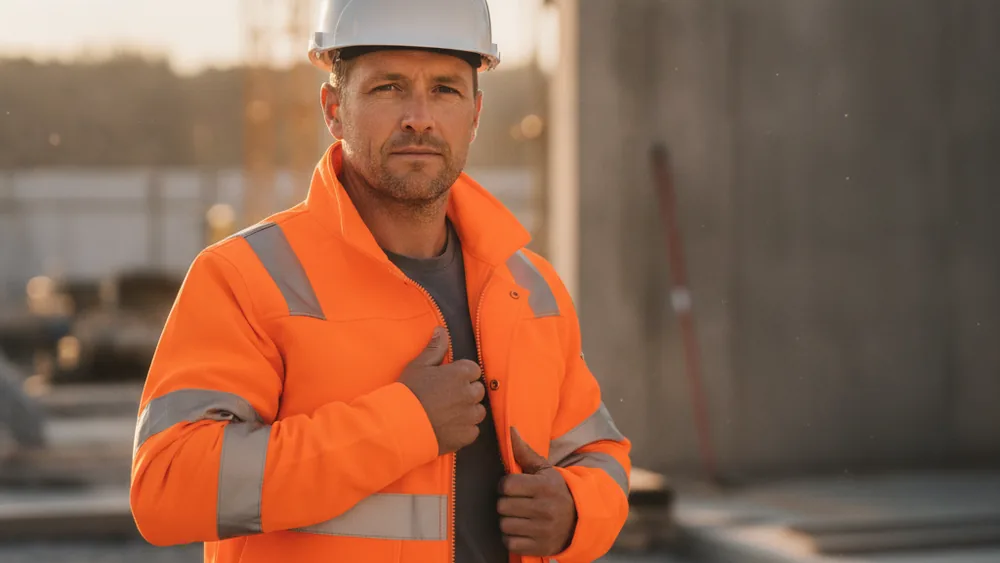
One type of work uniform cannot be equally practical for all fields.
Workwear for the medical and HoReCa sector – in this case, fabric care, breathability and freedom of movement matter. Medical staff wear the uniform during long shifts, so practical details and fabric properties must be directly linked to the working regime.
In construction and other high-risk environments, the requirements are different. For example, for high-visibility protective clothing, EN ISO 20471 is used, which defines the garment requirements and performance classes. And a specific protective means should be chosen according to the assessment of the risks present in the workspace.
In the HoReCa sector, a visual task is added to functionality. The uniform of a hotel, restaurant or cafe employee is part of the brand’s overall style, yet the garment must at the same time be practical for everyday work. That is why a custom order is a good choice when the design must fit the employee’s function, the working conditions and the brand’s visual identity at the same time.
The economic advantage of local production
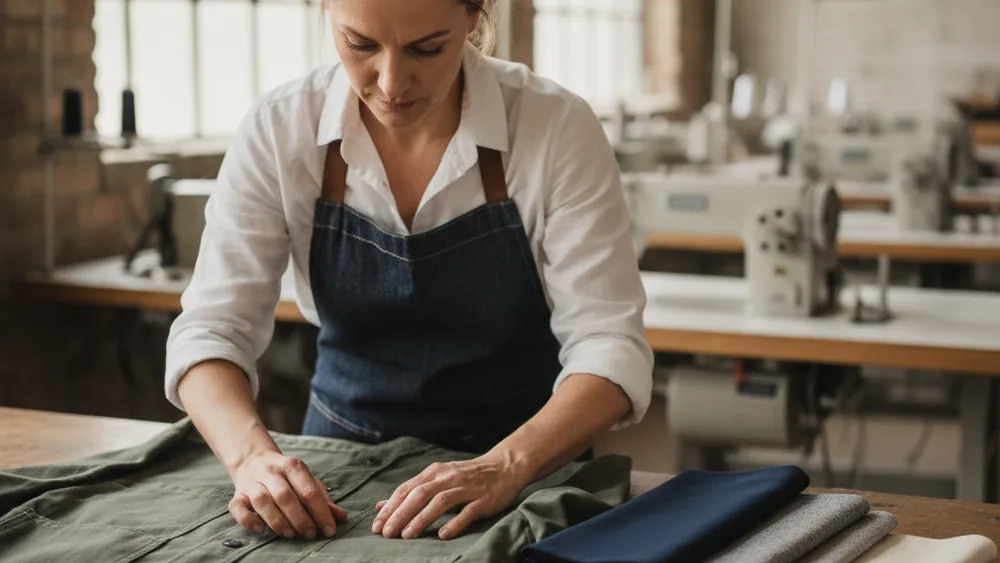
The final cost of a work uniform is determined not only by fabric quality but also by the production process. When agreeing on the design, selecting the fabric, producing the sample and serial production are possible in one space, the client can adjust the details before production begins.
This is especially important for companies that need different models or sizes for different departments. A test sample makes it possible to assess the pattern, fabric and practical details before tailoring the full batch.
The Leader tailoring facility has been working since 2016 and, in the process of clothing tailoring, combines several stages in one production model. The company chooses the fabric and design together with the client, produces a sample before serial production and then moves on to fulfilling the full order.
Local production is additionally important during repeat orders. If a company needs an additional quantity due to an increase in the number of employees, opening a new branch or a seasonal need, using the already agreed design and technical parameters makes the process more consistent.
The list of Leader’s partners includes companies of various profiles. Working with different sectors is especially important in workwear production, because for one business durability and safety may be a priority, for another hygiene and ease of care, and for a third the visual style.
Therefore, the economic value of work clothing cannot be determined by individual elements. Quality work clothing is not just a purchase expense and becomes part of the company’s daily operations.