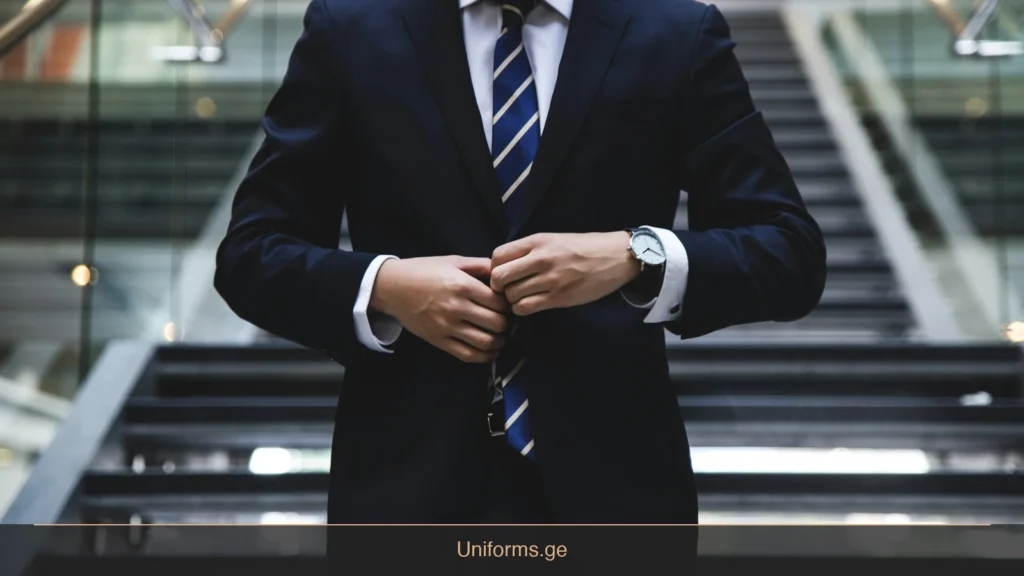
A few years ago, the social psychologists Hajo Adam and Adam Galinsky conducted an interesting experiment. They asked participants to put on a white coat and perform a test of attentional accuracy. One group was told that the coat was intended for a doctor, and the other that it was worn by a painter. As a result, those who wore the “doctor’s coat” coped with the test much better. The coat was the same in both cases; the difference was determined by the participants’ mindsets.
In psychology, this phenomenon was called “Enclothed Cognition”. The concept was introduced by these very psychologists. Clothing changes not only appearance but also how we think, what we feel and how we behave. When a person wears a garment that has a certain professional or social meaning, they unconsciously adopt that role.
Formal attire and work efficiency
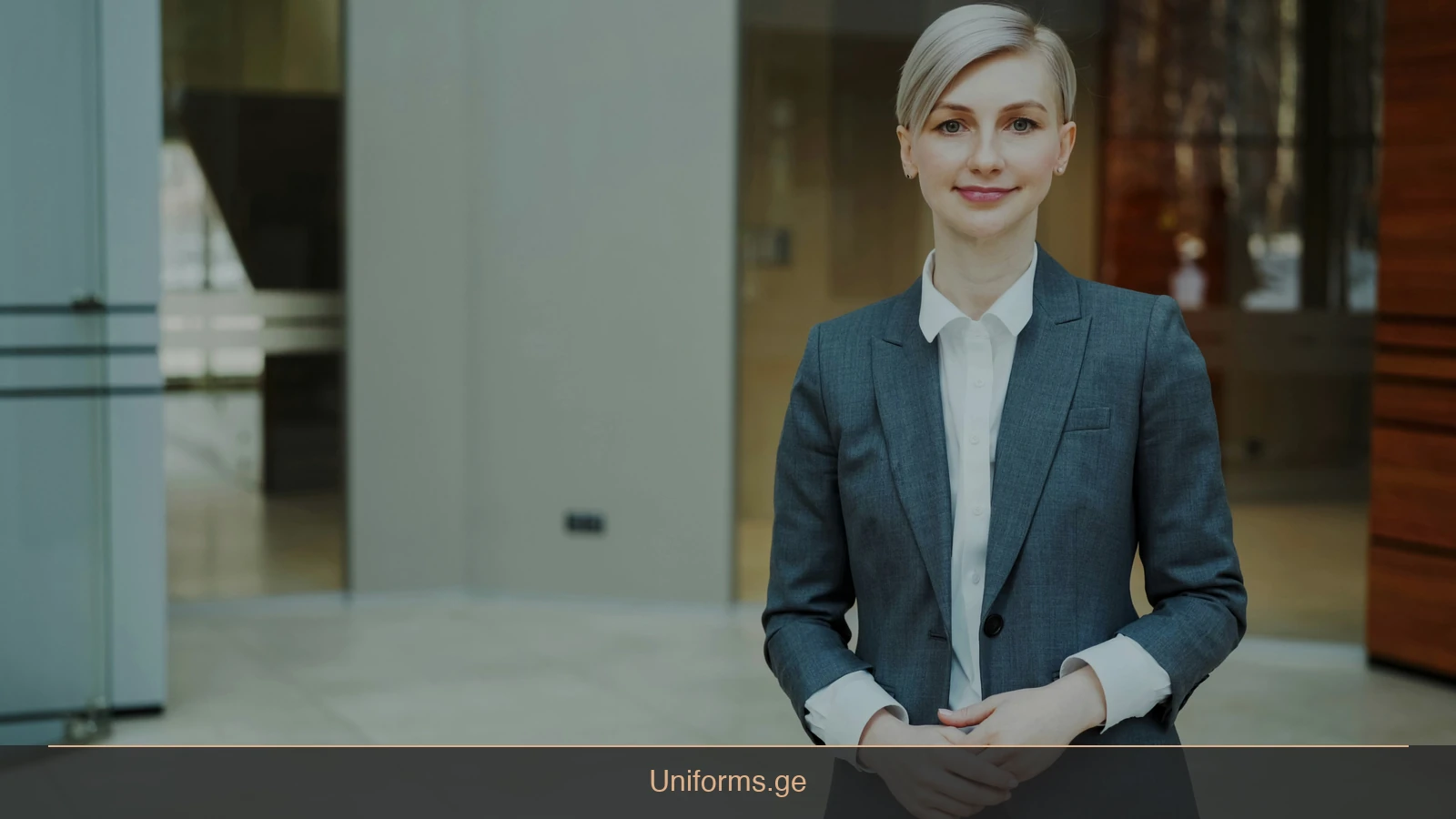
In a work environment this effect is especially noticeable. Formal attire promotes increased concentration, focused attention and better thinking. A well-fitted jacket or suit also changes the body’s posture – the back straightens, the shoulders open up, and the voice sounds more confident. These changes are not always noticeable to those around, but the person feels them and changes their behavior accordingly.
It is also important that each color of clothing carries its own message. Dark blue and black express authority and seriousness, red – confidence, white – clarity, and light tones – warmth. Accordingly, depending on the nature of a meeting or a work day, the choice of color should also be thoughtful. These are small things, but in practice it is precisely such details that create the difference between how those around perceive a person and how the person themselves feels.
Worth noting is the influence that clothing has on confidence. According to a KPMG study, 75% of female executives experienced impostor syndrome at least once in their career – the feeling that they are actually not as competent as those around them think. According to material published in MIT Sloan Management Review, clothing influences behavior when it has symbolic meaning. That is exactly why many executives pay special attention to the dressing ritual on the morning of an important meeting.
The evolution of the work dress code
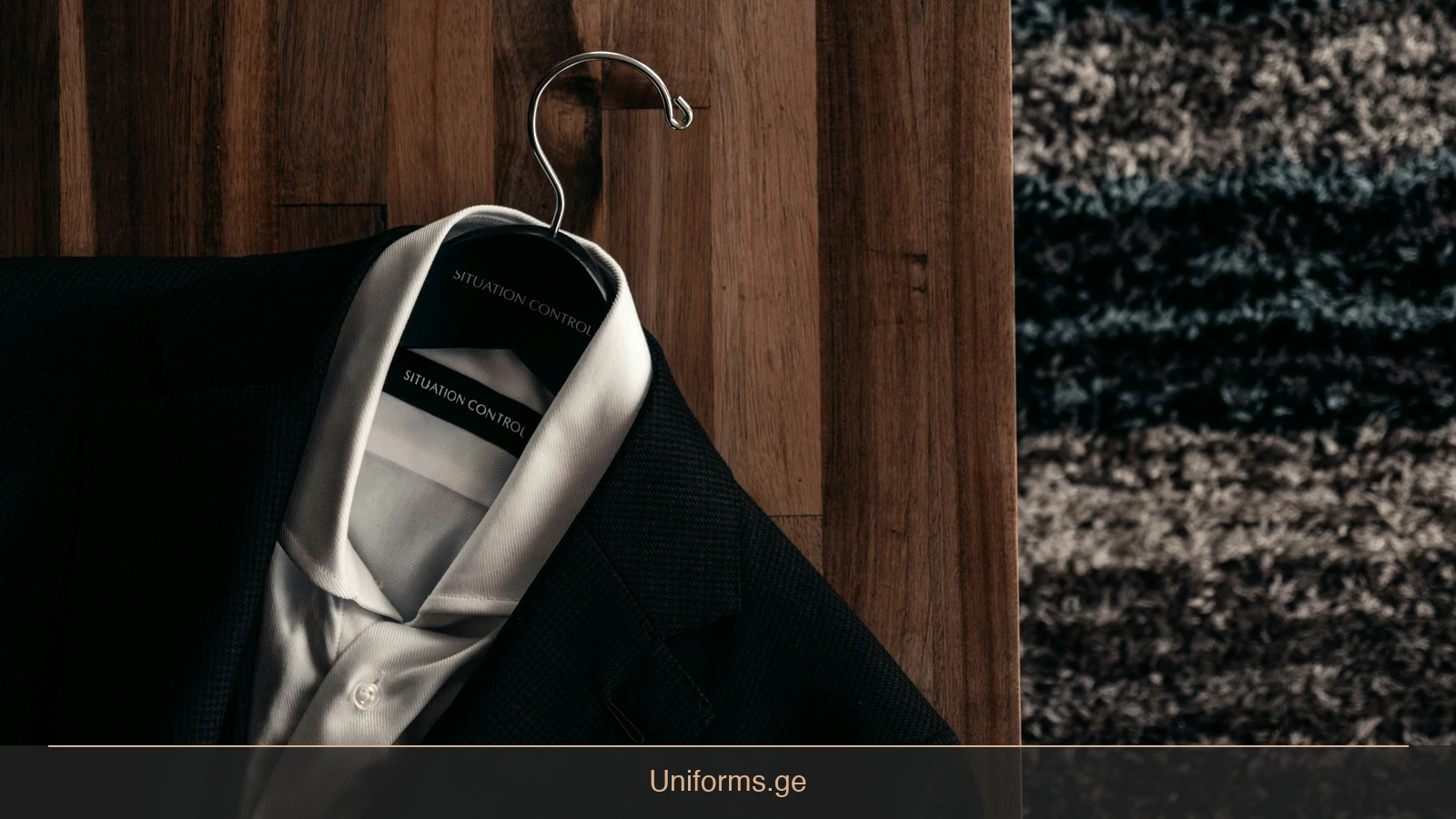
Historically, in this context, dress norms have changed significantly over the last decades. In the mid-20th century, maintaining strict formality in the office was mandatory. At the end of the 1990s, American technology companies, especially in Silicon Valley, moved to more comfortable dress models. This is how the phenomenon of “casual Fridays” appeared – the last day of the week, when employees dressed more freely. Gradually this habit spread to other industries too and formed a new clothing standard.
Clothing should fit today’s task. An important meeting requires formal attire, creative work – more comfortable clothing. There is another interesting side: the choice of everyday dress constantly requires a certain resource. In psychology this phenomenon is called “decision fatigue”. That is why a “work uniform” – whether it is a formal suit or a team uniform – frees a person from such a choice.
Workwear: function, hygiene and safety
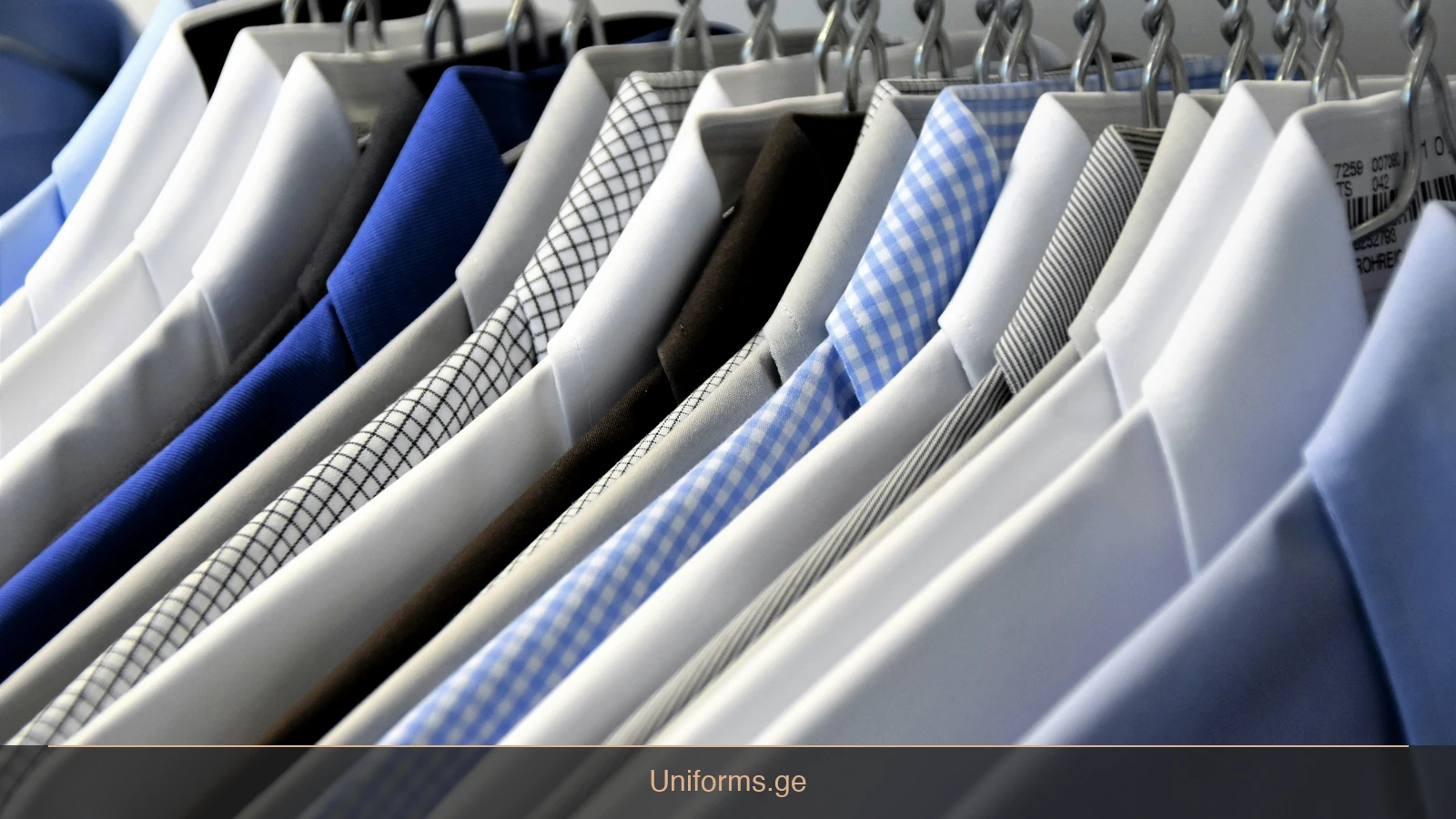
In a corporate environment, clothing is no longer just a personal choice, because it becomes part of the brand. An employee who meets the customer in a team corporate uniform expresses the company’s visual identity. Uniform dress creates a sense of order, teamwork and professionalism for both employees and visitors. Research shows that customers’ perception of a company’s competence is often formed precisely by the employees’ appearance.
In the medical sector, the HoReCa industry and the service field, workwear also performs another function. It meets hygiene and safety requirements. Each of these garments has several purposes at once:
to be comfortable, wash well and keep its appearance even after long use. Mass-imported products rarely meet these requirements. Local specifics – climate, sizes, the requirements of Georgian branding – always require a special approach.
In Georgia, this issue is gradually being discussed more actively. Local companies, clinics and the restaurant business pay more attention to how their team looks not only aesthetically but also functionally. The Georgian market is still in a development phase in this direction, but more and more companies realize that their employees’ visual appearance is an integral part of their brand.
The Leader tailoring facility and the individual approach
The Leader tailoring facility, which has been working in Tbilisi since 2016, is oriented precisely toward such needs. At the facility they create corporate uniforms, uniforms for the medical and HoReCa sectorand advertising textiles. Each order is worked on individually, from fabric selection to the production of the final sample. The facility operates with the status of a social enterprise, which means that its activity does not pursue only commercial goals – it also serves the promotion of local production and sustainable development.
In today’s work environment, clothing is a kind of message for oneself and for those around. Science shows that attention, confidence and the overall quality of work also depend on the clothing we wear every day, and the Leader tailoring facility helps you simplify this process.